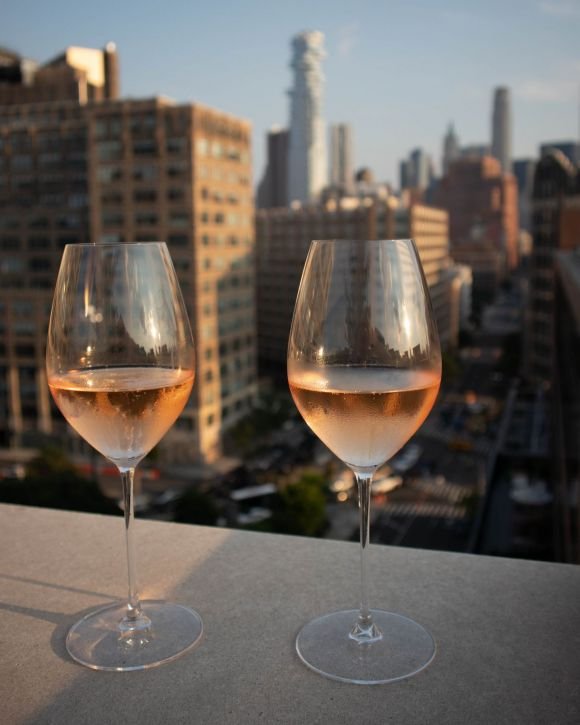
I love drinking a good wine in a nice crystal wine glass and I believe stemware plays a big part in the experience.
Although style is important, the shape and size of a wine glass has a real influence on the taste of a wine. The glass cannot make a bad wine good, but it can make a good wine more enjoyable.
Here are a few tips and recommendations for choosing the perfect glass and allow the wine to express itself properly.
Stemmed or stemless?
Stemless glasses look more contemporary than stemmed glasses. However, your hand is in contact with the glass and the body heat from fingers warms the wine, compromising its ideal serving temperature. Also consider that finger prints never look great on a glass.
Stemless glasses are fine for a seated dinner but should be avoided during a cocktail, as you have to hold the glass during a long period of time. This nice Chardonnay from Napa you are drinking may not taste so great in just a matter of minutes.
Stemmed glasses should be the way to go. Hold the stem, gently swirl the wine to reveal aromas, smell it, and observe the density of the legs that form on the inside wall of the bowl.
Glass or crystal?
The best wine glasses are made from crystal. This material is clearer, lighter, thinner, and lighter than glass.
A clearer glass allows you to see your wine in the best possible light. A thinner glass is best to keep the wine cool, as a thicker material would absorb the coolness. And I love the unique lightweight fell of a thin crystal glass.
The top of the glass should be as thin as possible with a slight inward curve. As a matter of fact, a tapered rim concentrates aromas and a thin rim allows the wine to smoothly flow on the tongue.
Lead crystal is a porous material and it is more fragile than glass. That’s why you should always hand wash crystal glasses to prevent damage from hot water and detergent. Several manufacturers now produce lead-free crystal glasses that are shock resistant and can survive the dishwasher.
Last but not least, the absolute faux-pas is to use a plastic glass to drink wine. No plastic. Never. Not even to drink champagne during a bachelorette party.
All-purpose or specialized?
There are a lot of specialized wine glasses designed to enhance different types of wine. But unless you are a sommelier or a wine expert, you will likely not see any difference.
So my recommendation is to invest in a set of quality all-purpose wine glasses. Referenced by manufacturers as universal or red wine glasses, they are ideal for most wines, including light and medium-bodied reds, rosés, and whites.
This one for all approach is followed by Gabriel Glas, an Austrian glassware manufacturer selling a universal glass available in only two versions, machine-blown or mouth-blown.
For bold reds, young or mature, it’s worth investing in bigger glasses. The wider space in the glass means a larger surface area of the wine is exposed to air, allowing it to breath and liberate its aromas. The wine opens up, alcohol evaporates better, and tannins look smoother.
Flute or tulip shape for sparkling?
For sparkling wine, the shape of the glass you use may have an even bigger influence on its taste.
The tall narrow shape of the flute is ideal for most sparkling champagnes. It enhances the boldness of the wine and preserves its effervescence, pushing a steady stream of bubbles up the glass. The wine is fizzier, but the lower surface area of the wine exposed to air doesn’t allow aromas to fully develop and they fade more quickly.
The tulip shape is favored by most champagne connoisseurs. Thanks to a better aeration, the finest champagnes can demonstrate their full potential. This shape is also great for preserving bubbles.
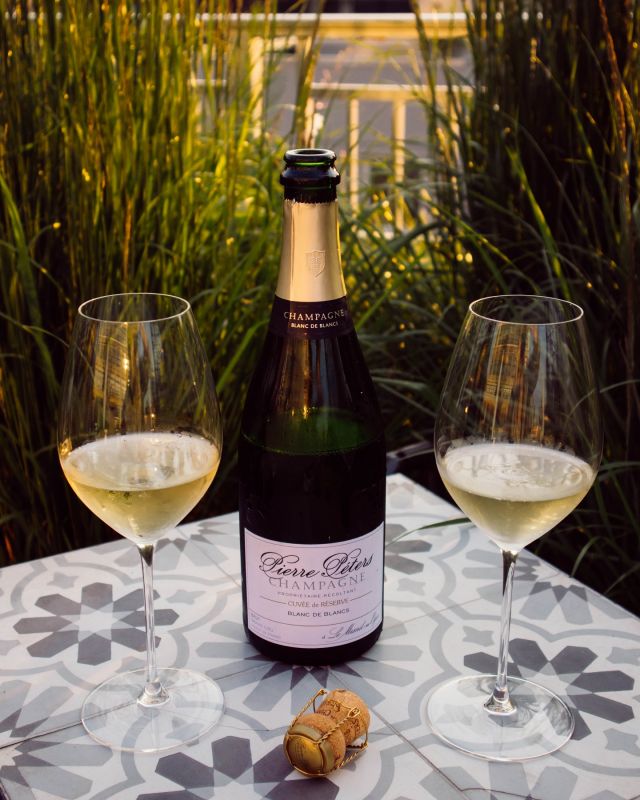
You can also do like professionals and drink vintage champagnes out of a wine glass. It should be narrow enough at the top to trap flavors and aromas and concentrate them on the nose and palate. Austrian manufacturer Riedel followed this approach and replaced the flute by an egg-shaped glass (photo above) in the highly recommended Veritas line launched a few years ago.
Avoid the coupe shape as it won’t do justice to any sparkling wine. The large surface area of the wine exposed to air means aromas and effervescence dissipate quickly.
My selection of wine glasses
German and Austrian glassware manufacturers make the best wine glasses. You can easily find them at the most trusted retailers such as Amazon, Sur La Table, Crate & Barrel, or Williams Sonoma.
My favorite brands are Riedel, Schott Zwiesel, and Spiegelau (owned by Riedel). I also love Zalto, this Austrian manufacturer has a small line, but their mouth-blown crystal glasses are stunning, wow!
I feature the glasses I personally use because they combine outstanding quality, great design, and a competitive price ranging from $7 to $30 apiece.
My everyday wine glass is the Spiegelau Style Red. It’s a sturdy but stylish entry level wine glass. Inexpensive, so I’m never afraid of breaking one of them.
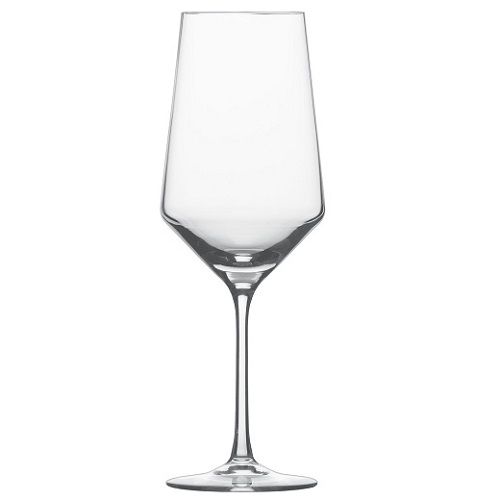
For bold red wines, I prefer a glass with a bigger bowl like the Schott Zwiesel Pure Bordeaux glass. I love the distinctive sleek and angular design of the Pure line, this is a glass you find in upscale restaurants.
It is big and tall (10.5″), so you can use the smaller Schott Zwiesel Pure Cabernet glass in the same line as a great all-purpose wine glass.
These wine glasses are made of Tritan, a scratch and break resistant lead-free crystal. Perfect for a daily use.
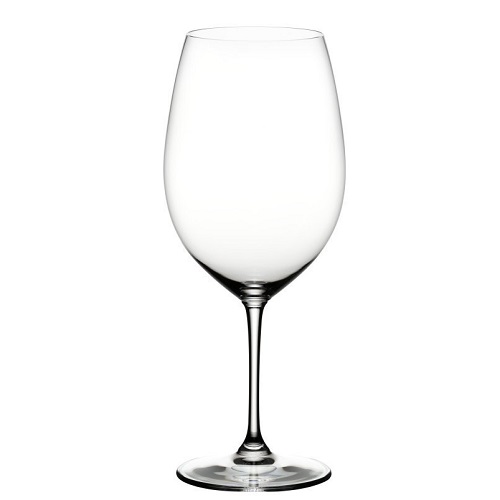
One level up and a great alternative for bold wines is the Riedel Vinum Bordeaux Grand Cru glass. Huge and impressive (10.5″ & 33 oz!), perfect for a full-bodied nice wine high in tannins, such as a Grand Bordeaux.
The Bordeaux Grand Cru is the (X)XL version of the smaller Riedel Vinum Bordeaux glass, an excellent all-purpose wine glass in a more reasonable format.
The Vinum line is Riedel’s best seller since 3 decades. A safe bet for wine connoisseurs!
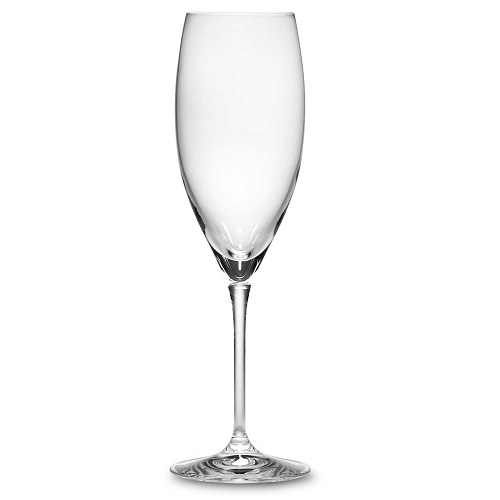
Flute aficionados can complement a set of Riedel Vinum Bordeaux glasses with the elegant Riedel Vinum Cuvée Prestige champagne flute, a classic choice for all types of sparkling wines.
For vintage champagnes, connoisseurs can surprise their guest with the Riedel Veritas Champagne glass. Yes, you read well: champagne glass, not flute. The Veritas line is a more modern, thinner and lighter version of the highly popular Riedel Vinum line.
For a very special occasion, I use my Baccarat Oenologie Flutes. They have a tulip shape and they are perfect for enjoying a blanc de blanc or rosé champagne.
Discover our selection of top products
Go to the shop!